Topics

Staying Active- Importance of Physical Activity

Staying-active

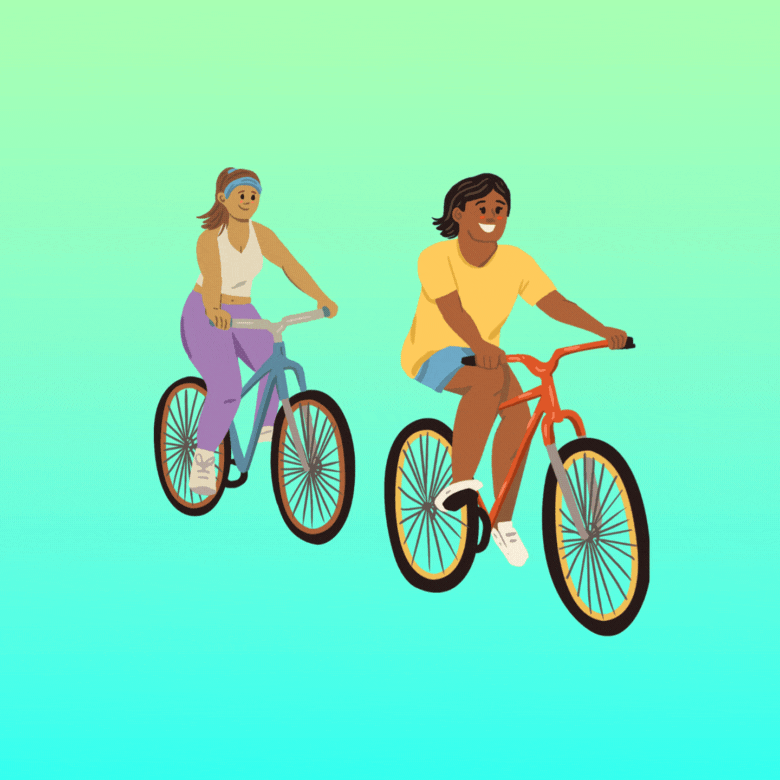
Physical activity is key to maintaining good physical health, especially during your teenage years. It not only keeps your body strong and healthy but also has a positive impact on your mental well-being. 

Engaging in regular physical activity can help reduce stress and anxiety, improving your overall mood and energy levels.Prioritizing physical activity is crucial for staying healthy and feeling your best.
Trauma

Trauma

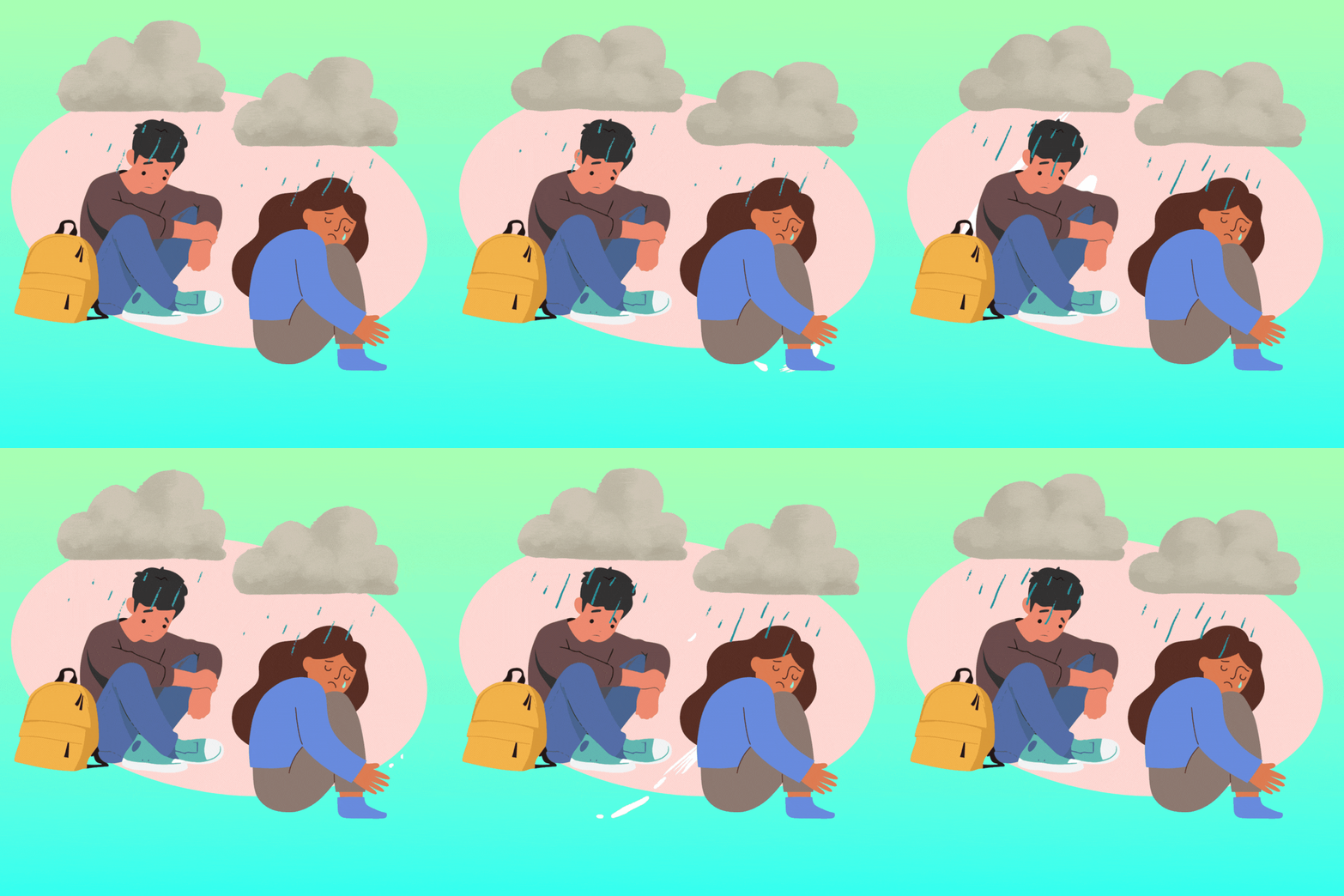
Experiencing trauma isn’t just about going through a difficult time—it’s when an overwhelmingly distressing event exceeds our ability to cope, leaving us feeling powerless and exposed. Trauma can stem from various events, such as accidents, abuse, or witnessing violence, and it can have profound effects on our mental and physical well-being, shaking our sense of safety.

Domestic Violence

Domestic-Violence

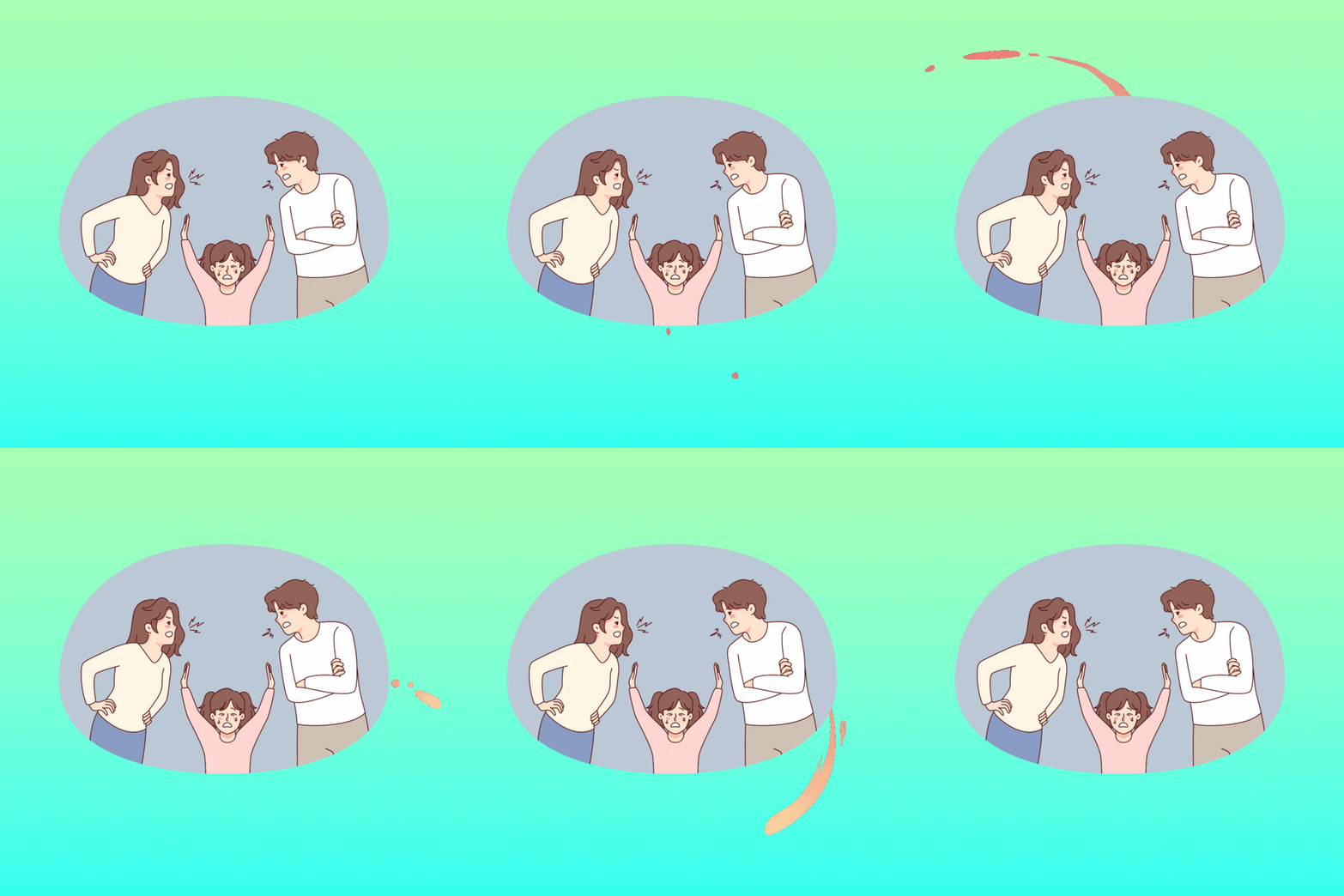
Domestic violence is a deeply concerning issue that involves harmful behaviours within relationships or households. It includes various forms of abuse, such as physical harm, emotional manipulation, and psychological distress. These experiences can be incredibly challenging, causing feelings of fear, confusion, and emotional pain. It’s important to know that domestic violence is never your fault. You deserve to feel safe and respected in all your relationships.

Sexual Abuse

Sexual-abuse

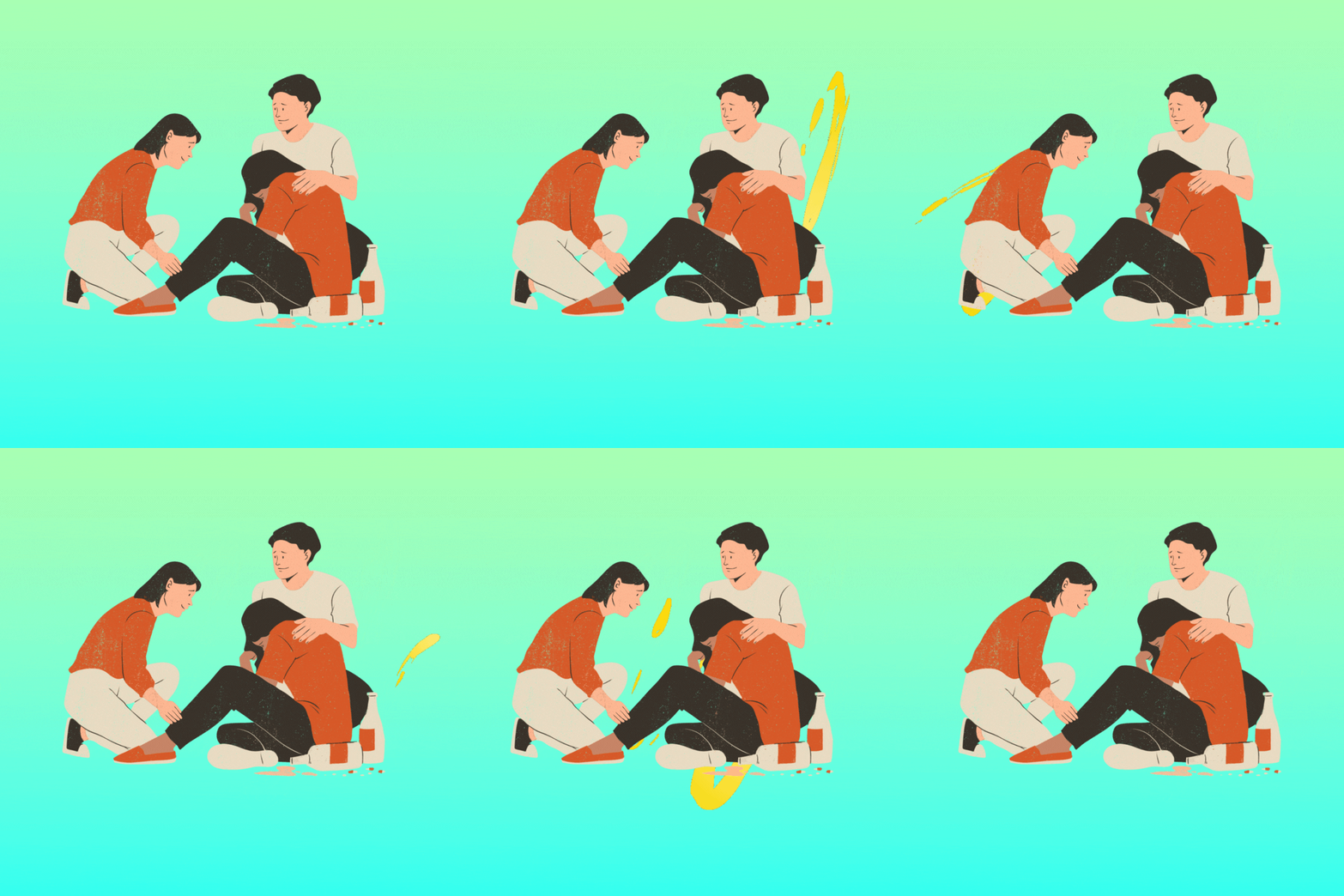
Experiencing sexual abuse is an incredibly difficult and traumatic ordeal, where someone is forced or manipulated into unwanted sexual activity. This kind of trauma can deeply affect anyone, regardless of age, gender, or background, and it can cause lasting emotional pain. It’s crucial to recognize that the experience of sexual abuse is never your fault, no matter what.

Self-Esteem

Self Esteem

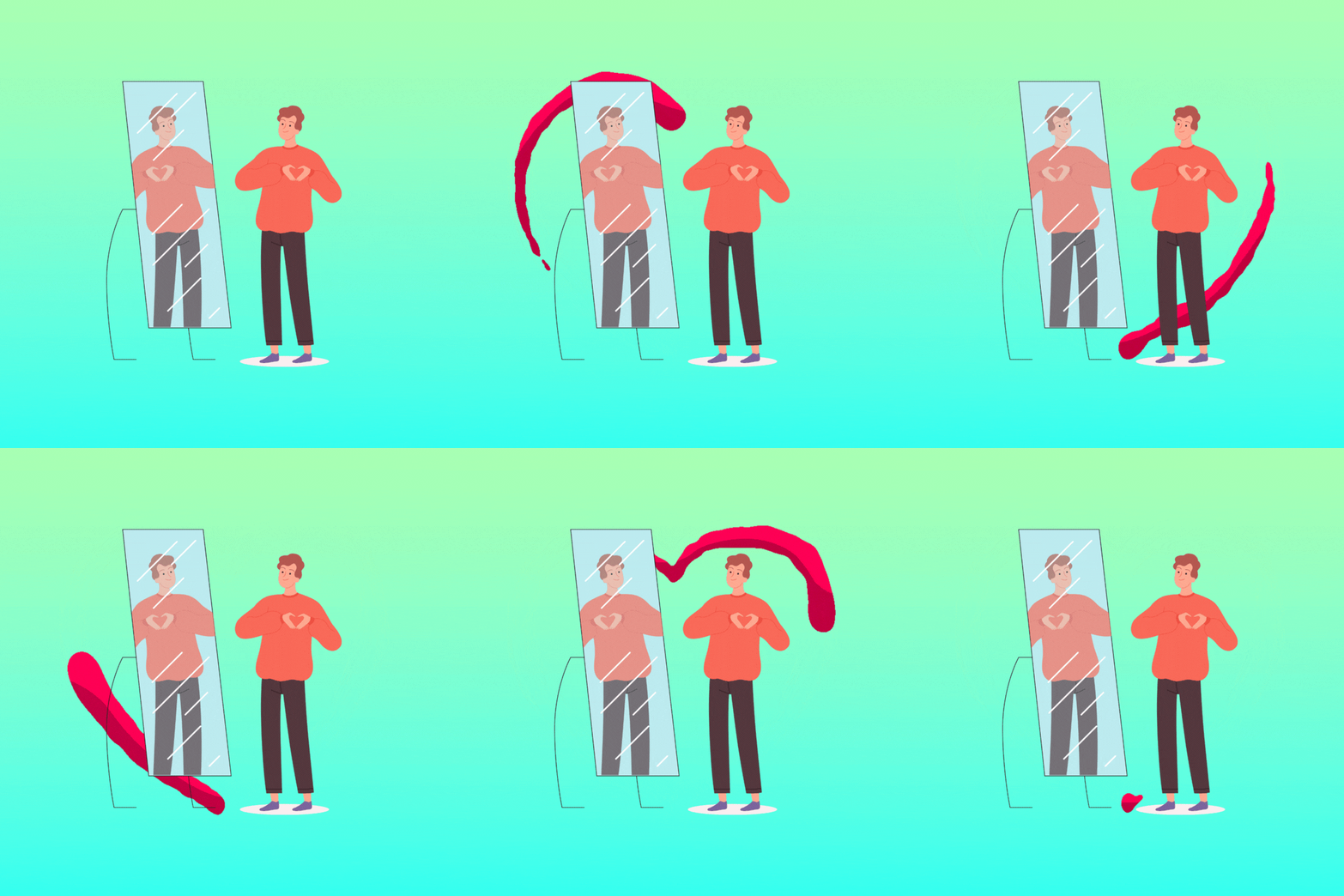
Self-esteem is the way we see ourselves. It’s shaped by our thoughts, feelings, and beliefs about who we are.

High Self-Esteem

When our self-esteem is healthy, we feel good about ourselves and life feels great. It helps us handle the ups and downs of life, cope with stress, and build strong, positive relationships. Plus, it gives us that extra boost of confidence and overall happiness.

Navigating Grief

Grief

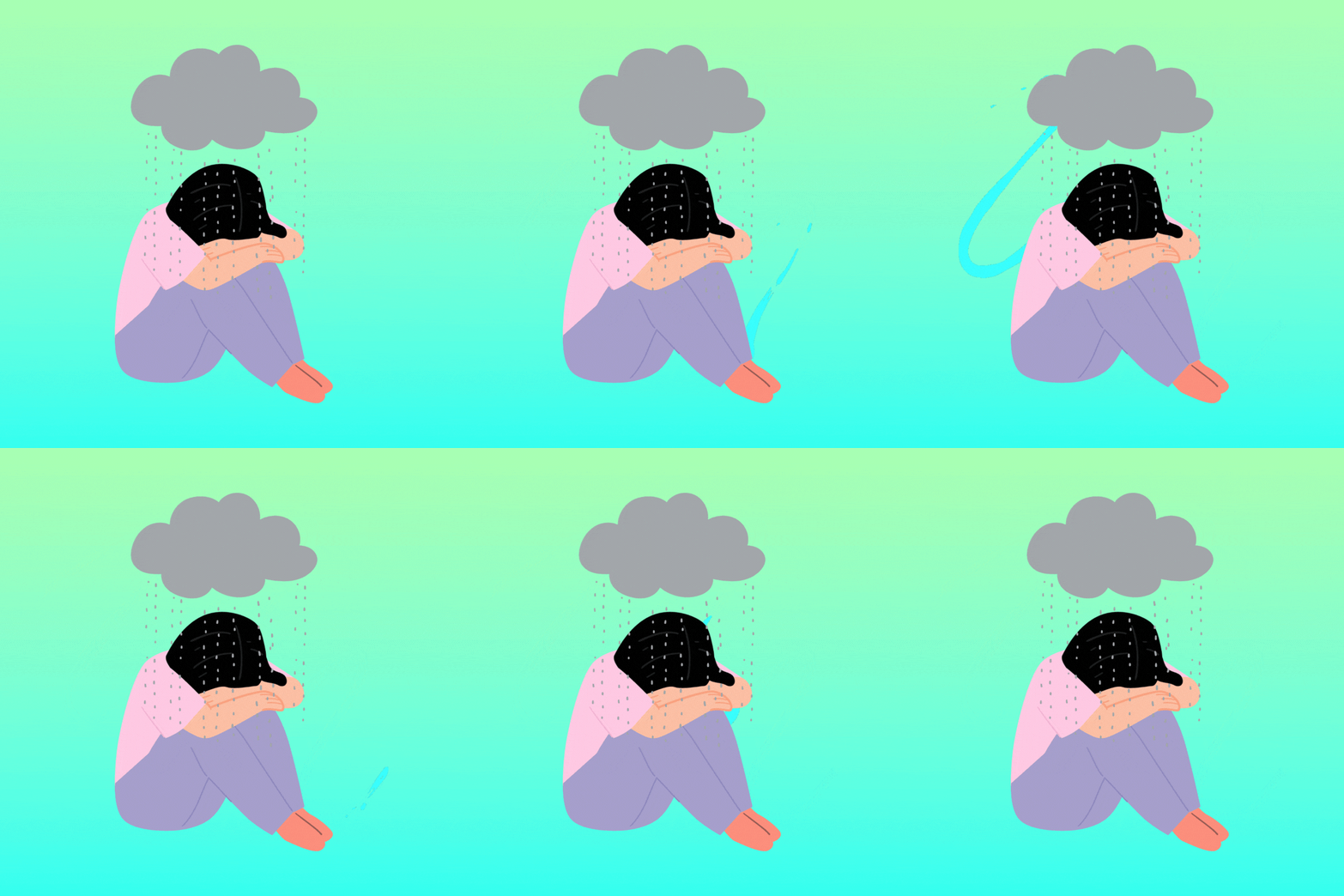
Navigating grief can feel like moving through a maze of emotions, triggered by different types of loss. It’s a natural response that affects us in various ways, bringing up feelings like sadness, anger, guilt, and confusion. Grief doesn’t follow a straight path. It’s also not something you can predict or control. 

Dealing with Behavioural Challenges

Conduct-disorder

During teenage years, we often experience phases where our actions don’t align with our values. These behaviour patterns can be tough, affecting our daily lives, relationships, and overall well-being. They might include frequent arguments, school disruptions, rule-breaking, or risky behaviours—often stemming from underlying emotions or reactions to challenges.

Dealing with Substance Abuse/Addiction

Addiction-

Dealing with substance abuse is navigating a path where drugs or alcohol become harmful, possibly leading to dependence or addiction. It’s essential to realise that addiction isn’t a choice; it’s a complex issue affecting your brain’s functioning. 

Building Better Connections

Communication Issues

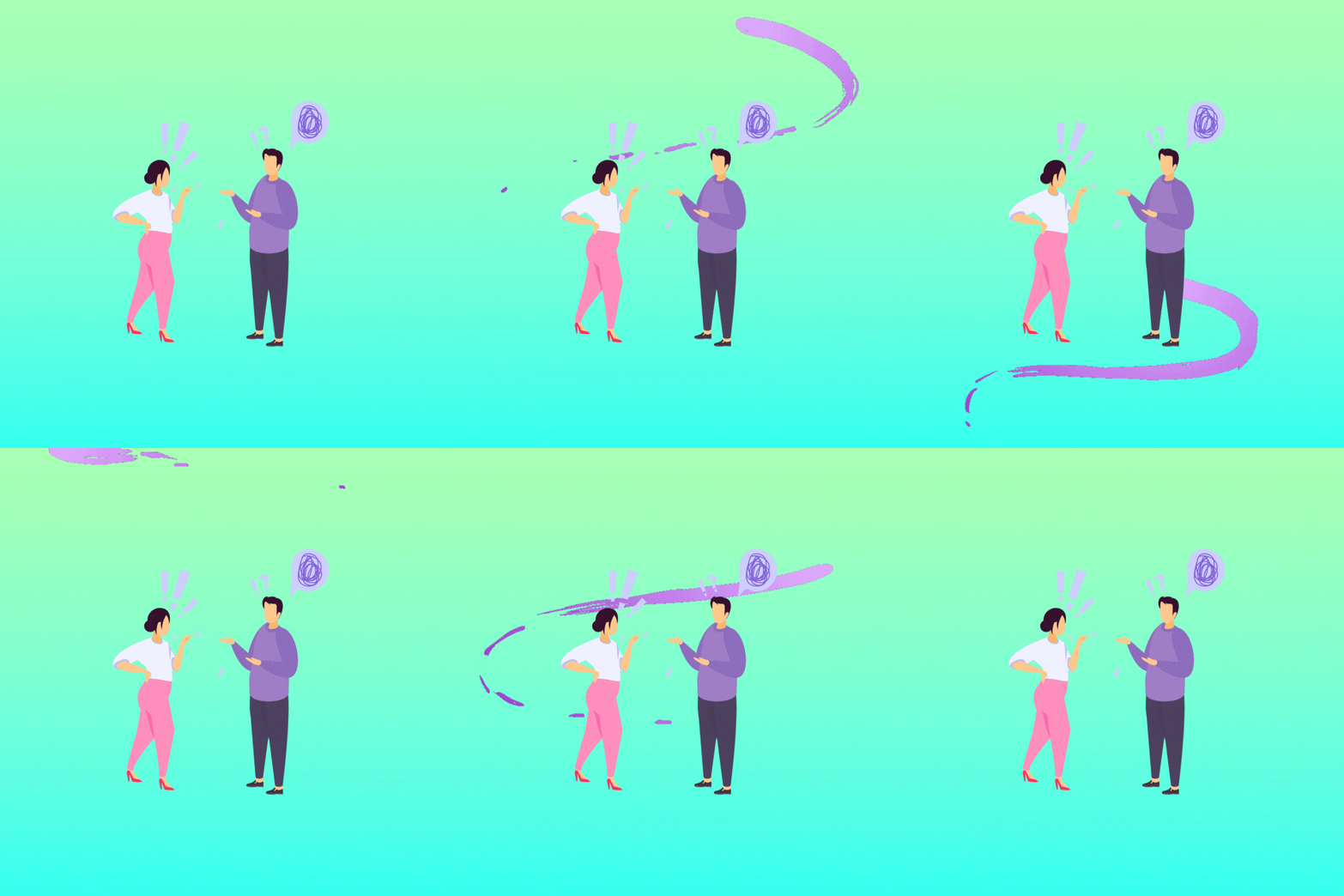
Building better connections means forming strong, healthy relationships with the people around you. It’s about creating bonds based on trust, respect, and mutual support. Good connections can make you feel understood, valued, and less alone. They involve open communication, where you share your thoughts and listen to others. 

Bullying

Bullying

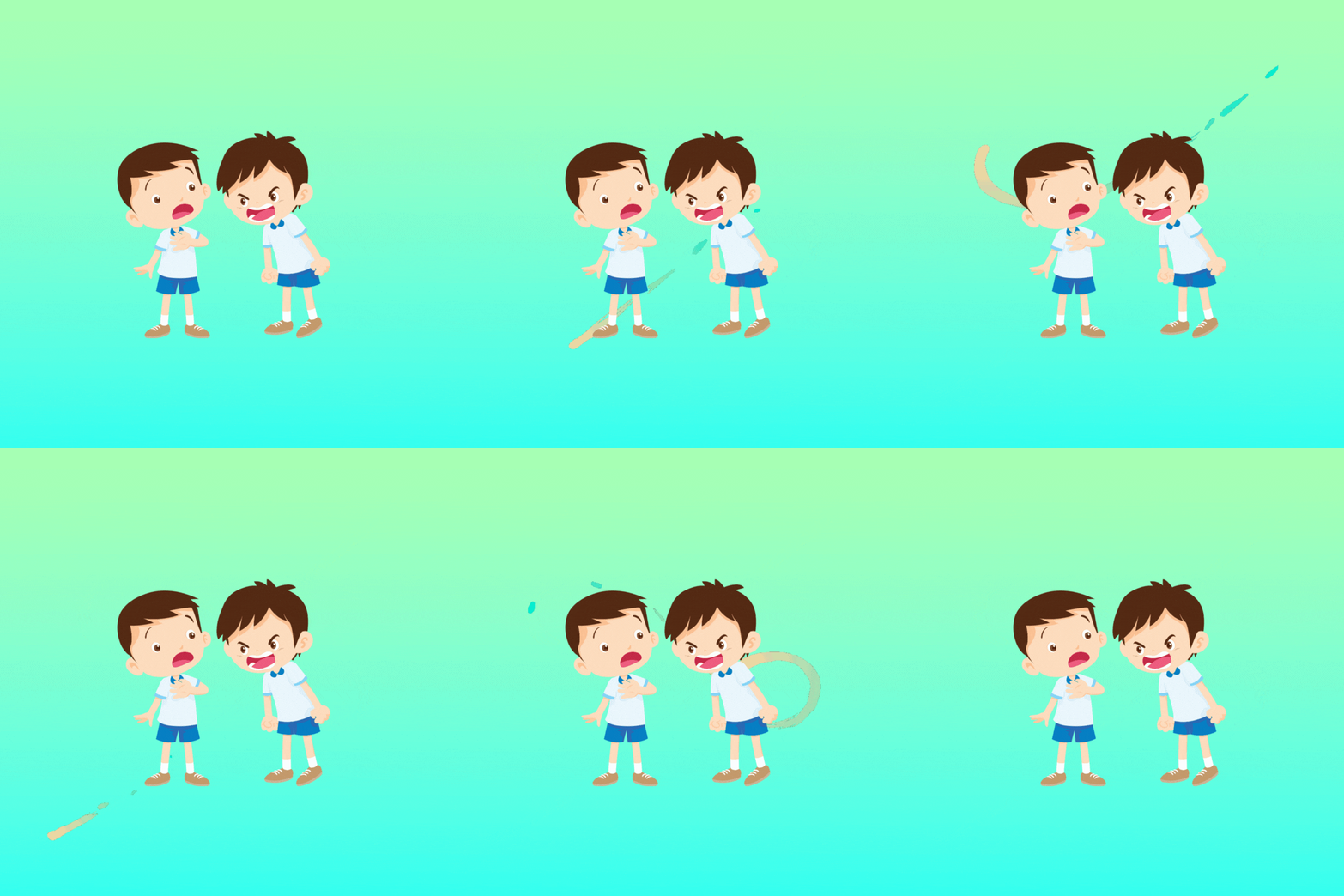
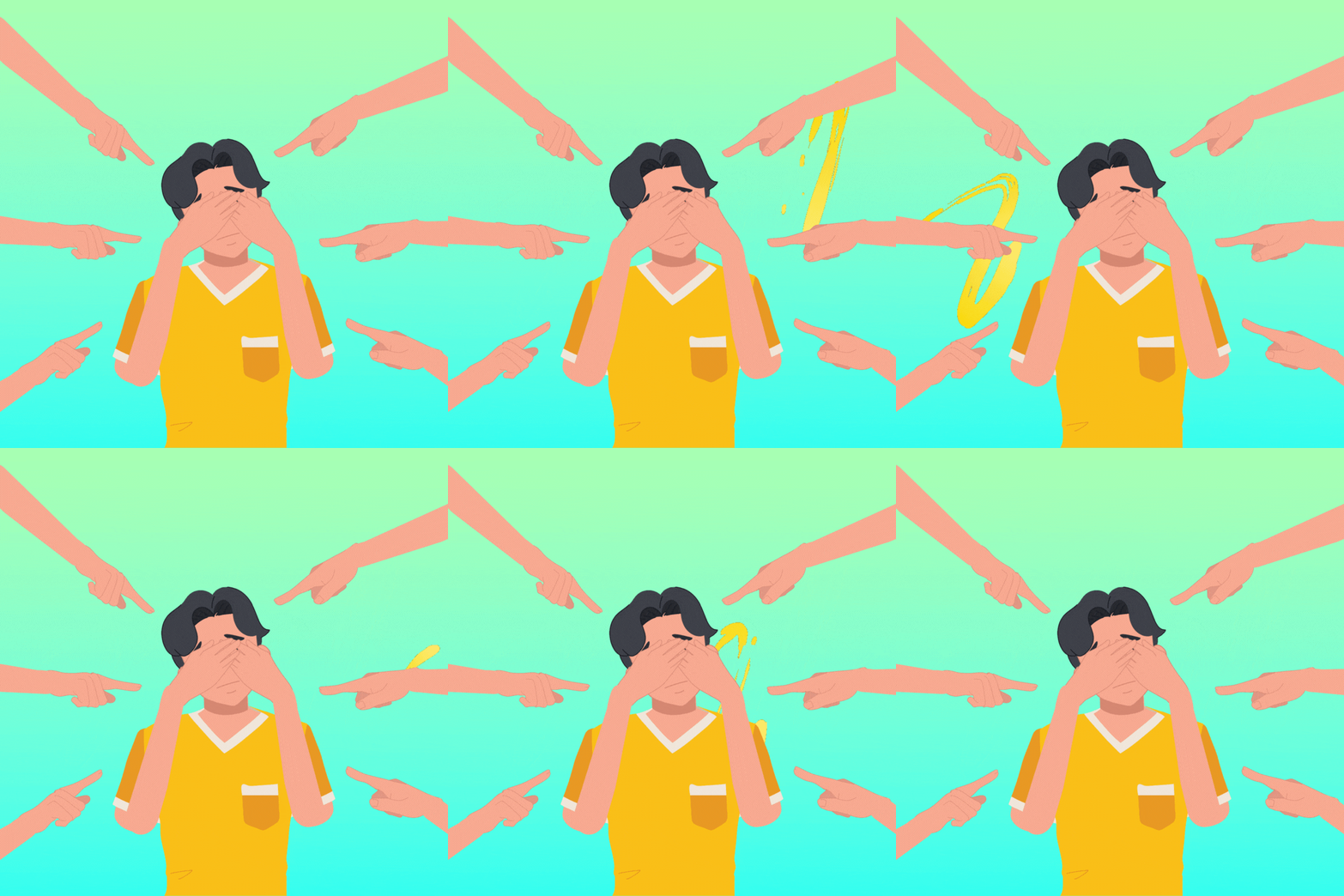
Have you ever felt targeted by someone who seemed intent on causing you harm, repeatedly and on purpose? That’s what bullying is all about – a hurtful cycle where someone uses their power to intimidate or hurt others. It can manifest in various ways, from physical aggression to hurtful words and cyberbullying. These experiences, whether at school or online, can deeply affect our mental and physical well-being.