An STI refers to a Sexually Transmitted Infection. It is a disease that is transmited via sexual contact. This includes genital sex, anal sex and oral sex. It is important to note that STIs can have an effect on one’s well being and reproductive potential (ability to have children). Some examples of STIs are syphilis, chlamydia, genital herpes and gonorrhea. You can learn more about STIs from the World Health Organization.
Having an STI increases the risk of HIV transmission. STIs can be considered a “portal of entry” for HIV, as HIV particles can enter another person’s body through these breaks in the skin or mucous membranes. As such, if someone who has HIV has unprotected sex with someone who has an STI, there is increased likelihood of transmission of HIV to the uninfected partner. It is also important for PLHIV to note that immune damage from HIV can lead to the progression of some STIs. This means that the symptoms of some STIs may become more persistent and difficult to treat.This is why it is so important to adhere to HIV treatment. Adherence reduces the likelihood of immune damage.
How Can You Prevent The Transmission Of STIs?
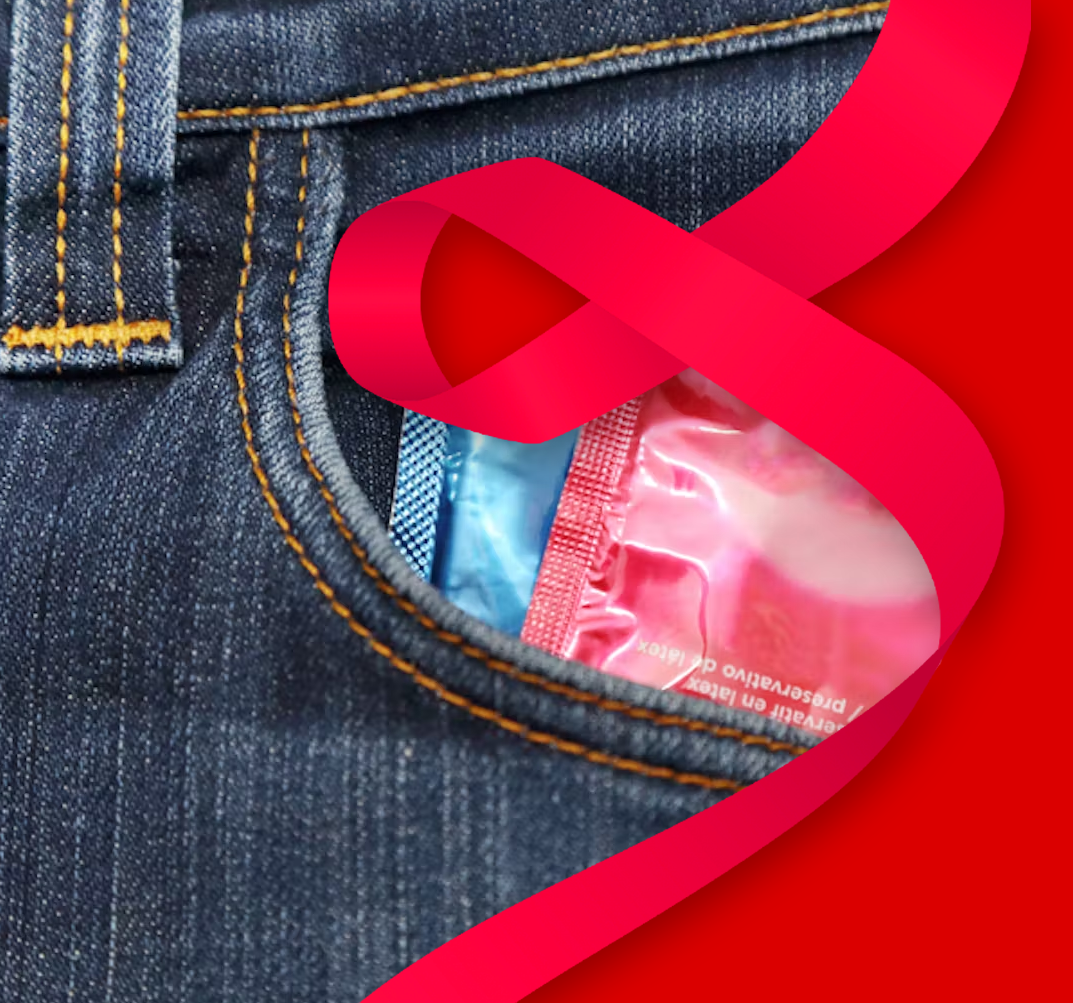
You can prevent the transmission of STIs by having protected sex, that is, sex with a condom. Please note that PrEP and PEP cannot prevent the transmission of STIs.
For other questions about HIV and STIs, call the National HIV Helpline on 800-4HIV or 800-4448. (This is a toll-free number)
You may be wondering, "If I have HIV, can I get another type of HIV?"
You can. If you have HIV, and you get another strain, this is known as HIV Superinfection. This new strain can replace the original strain or exist with it in your body.
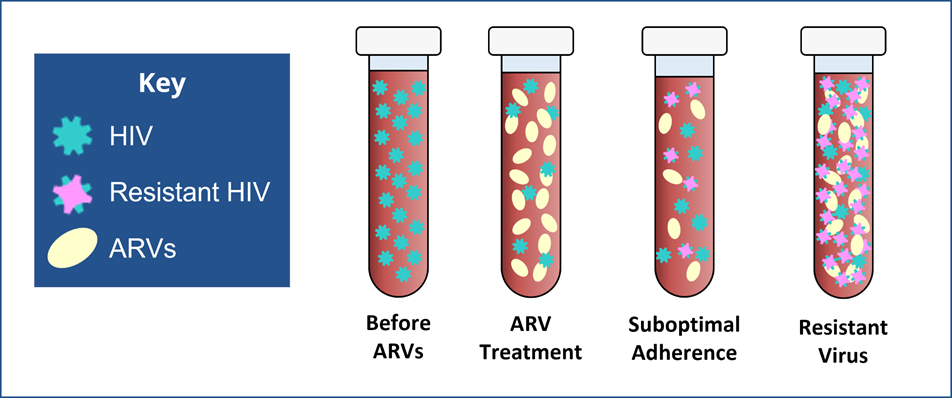
If you get a superinfection, you may become very sick if the new strain is resistant to your medication.
It is important that we keep taking our medication so that we can protect one another from getting a superinfection.
While superinfection can be prevented by the consistent and proper consumption of your ART medication, it is still important that we use condoms, even if your sexual partner is also HIV positive. If a new HIV strain is developed, there is a possibility that it is not treatable with the currently available medication.
If a person gets a superinfection, they can experience:
In the same way that you can contract another strain of HIV, you can also contract another sexually transmitted infection (STI) while having HIV. These STIs can affect your body in the same way that a superinfection can, and your health can deteriorate. To avoid this, you should always practice safe sex, as a condom is the ONLY prevention against other sexually transmitted diseases.
So, to avoid the risk of getting a Superinfection, continue to take your medication as told by your pharmacist or doctor at the treatment site, continue to have safe sex, and consult your doctor if you have any questions regarding your concerns with a new or current partner.
A discordant couple is a couple in which one partner is living with HIV and the other is not. Couples who are discordant can still have very fulfilling lives and enjoy a healthy sex life, if they use protection. In addition, adherence to medication, achieving an undetectable viral load, and the use of PrEP can also prevent transmission.
Despite the fact that discordant couples can live very normal lives, they still may experience some challenges. According to research done by Coleman-Sarfo and DeGraft Klo (2017), the following are some of the challenges:
They experience a fear of infecting their children.
They experience a fear of losing their jobs if the infection is discovered.
They experience stigma from family and friends.
They experience a fear of dying.
Though these are very real concerns, many of these challenges can be addressed by ensuring that you have a strong support network and remain consistent with medication.The fears are also completely understandable, and feel free to discuss them with your social worker who is a critical part of your Dream Team.
Hearing the reality of an actual discordant couple is very helpful to developing your own perspective. View the video below to see how a discordant couple has experienced their journey together:
If you or your partner wishes to speak with someone onthe National HIV Helpline call 800-4HIV or 800-4448. (This is a toll-free number)
PrEP, short for Pre-Exposure Prophylaxis, is a medicine that is used to prevent persons from contracting HIV.
But isn’t that PEP? NO! If you’ve done any research on HIV prevention and treatments, you have probably seen the terms PrEP and PEP. While these two terms look quite similar, they are very different.
PrEP is for persons who DO NOT live with HIV and are at risk of contracting HIV. This can include:
Person who have a sexual partner who is living with HIV.
Persons who do not always use condoms
Person who have been diagnosed with another STI within the last 6 months
Persons who share needles or other drug injection equipment with PLHIV
PrEP is a safe, highly effective medicine to prevent the spread of the virus, BUT it is does not protect against any other sexually transmitted infections such as syphilis or gonorrhea. Only condoms can protect from other STIs.
How Does PrEP Work?
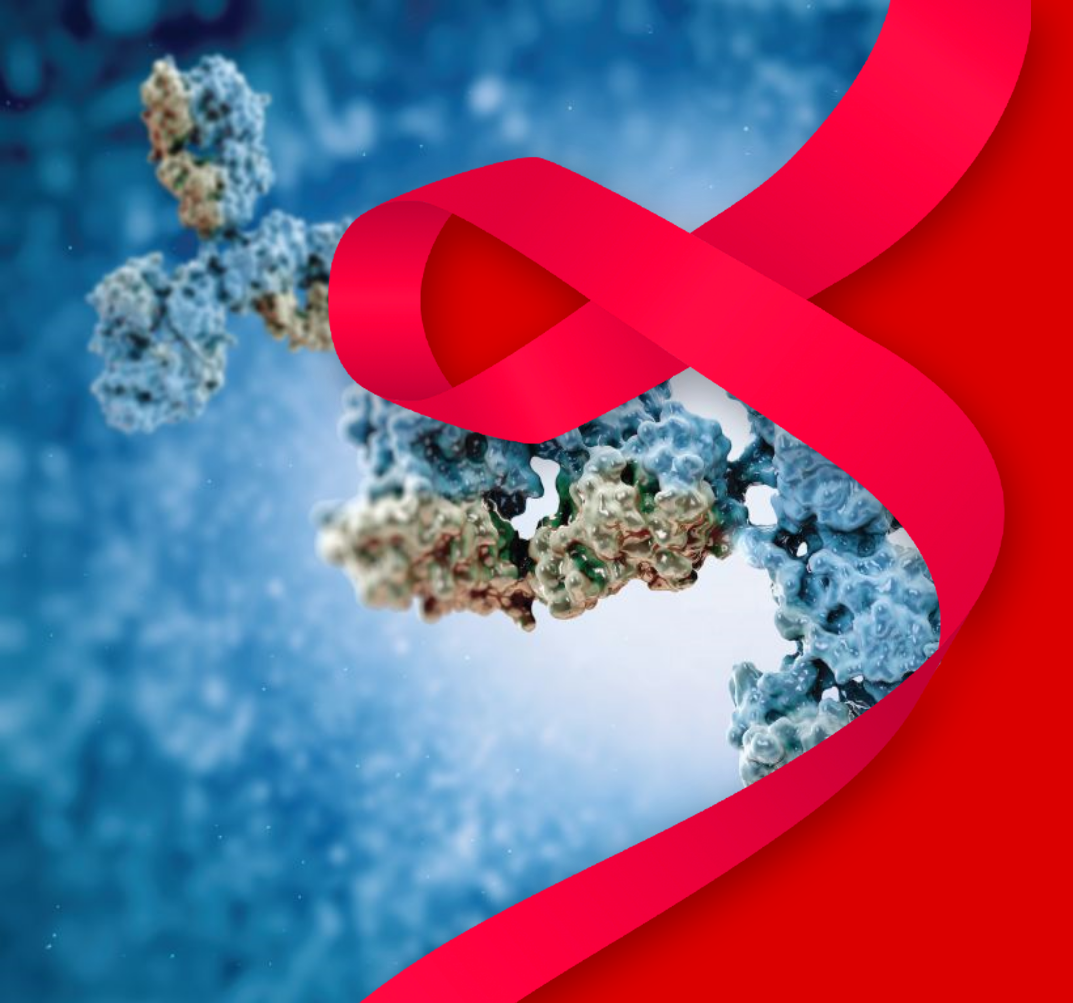
It is important that you review the HIV Life Cycle to understand how HIV replicates itself in your body. Knowing this will help you to understand why PrEP is helpful and important.
When PrEP is taken as prescribed, which is usually daily, it builds up in the places where the HIV cells can enter such as the bloodstream, and adds a layer of protection to your CD4 cells. So, if HIV cells do enter the body, while they may still be able to attach themselves to CD4 cells, they are unable to create copies of themselves to spread throughout your immune system. This allows the body to fight the virus before it seriously weakens your immune system, and prevents the permanent infection of HIV.
When a person takes PrEP as prescribed, it ensures that there is enough of the drug in your body to stop HIV cells from replicating. When taken correctly, it is extremely rare for HIV infection to happen in that person.
How HIV can affect couples and the ways we can protect our partners and ourselves.
As PLHIV, we want to continue to live happy, healthy emotional and sexual lives. There is no reason that you should be denied the fulfillment of the types of relationships that you desire. If you and your partner are a discordant couple, that is a couple where one person is positive and the other is negative, there are methods that can be used to ensure that you both remain safe. People living with HIV can take ART medication to become undetectable, and partners of PLHIV can take medication known as PrEP to prevent HIV infection.
OVERVIEW
WHAT IS PREP?
In this section, we will cover how the medication to prevent getting HIV works, how HIV-positive and HIV-negative couples are affected by the virus, and the risks of developing a drug-resistant strain of HIV.
Please choose from one of the following topics of interest:
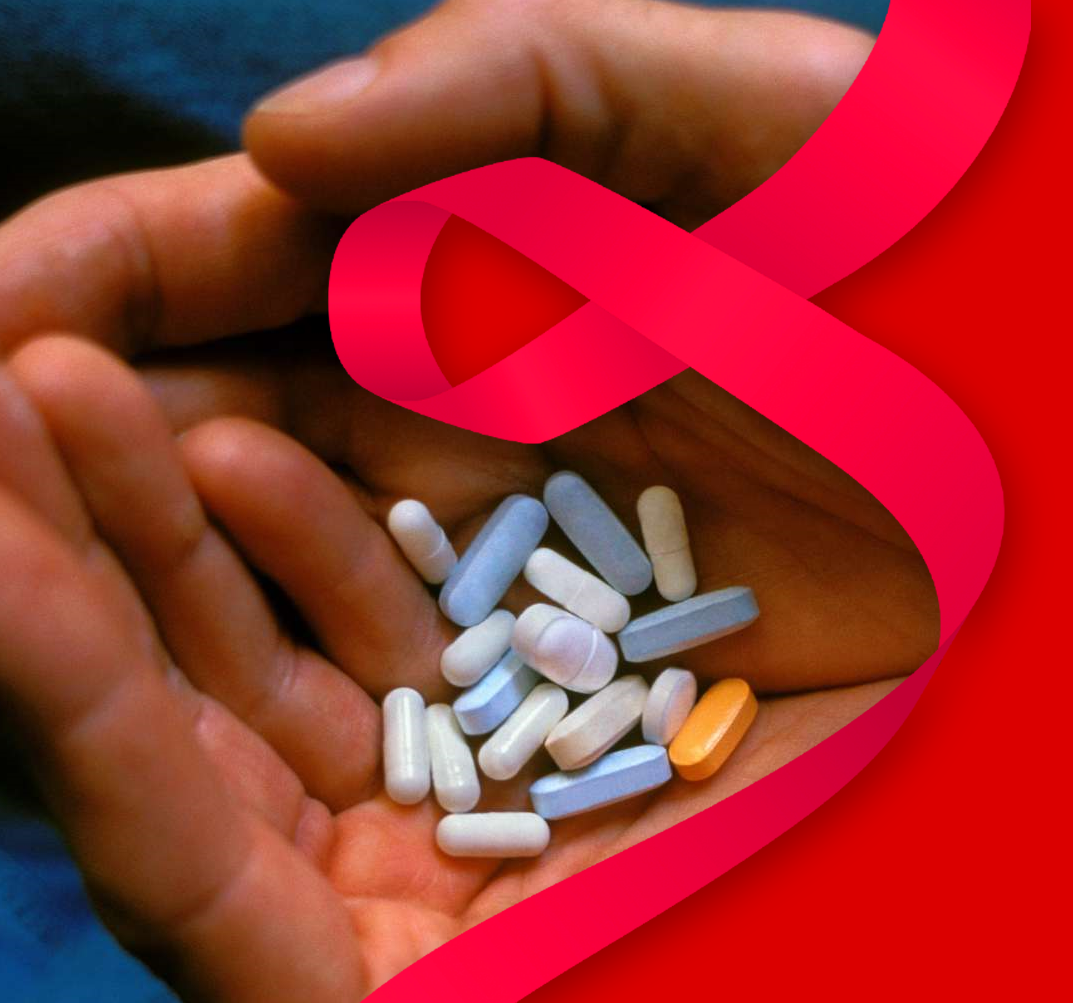
You may or may not have heard about the pill burden before. It is a sense of being burdened by the number of tablets or capsules that a person has to take on a regular basis. As you get older and experience the effects of some non-communicable diseases such as arthritis, hypertension or diabetes alongside HIV infection, it is likely that you will have to take several types of medication each day. This may result in a pill burden. This feeling is quite understandable and being compassionate to yourself is very important. A high pill burden can make it difficult to adhere to an HIV treatment regimen or other treatment regimens as well.
We will explore the notion of pill burden, and how you can manage this. However, we must first look at some concepts. Let’s take a look at the concept of treatment adherence.
Treatment Adherence means following the treatment plan recommended by your healthcare provider. This includes:
Taking pills as prescribed
Attending regular healthcare appointments, as advised by your doctor(s)
Reducing stress
Eating healthier
Sleeping better
Sticking to your treatment plan is important because any disruption to it can cause the virus to progress in your body, and can leave your body open to Opportunistic Infections.
In order for your medication to work, whether you may be taking it to treat HIV or to prevent HIV, you must take it consistently and as prescribed by your doctor to have enough in your body to fight the virus. Any interruptions to your schedule can lower the effectiveness of your medication, and can leave you vulnerable to Superinfection, or other illnesses. Similarly, you may need to take daily medications to manage other chronic health conditions.
Sticking to your treatment plan is important because any disruption to it can cause the virus to progress in your body, and can leave your body open to Opportunistic Infections. In order for your medication to work, whether you may be taking it to treat HIV or to prevent HIV, you must take it consistently and as prescribed by your doctor to have enough in your body to fight the virus. Any interruptions to your schedule can lower the effectiveness of your medication, and can leave you vulnerable to Superinfection, or other illnesses. Similarly, you may need to take daily medications to manage other chronic health conditions.
How Can A Pill Burden Keep Me From Treatment Adherence?
While there may be the worry of cost, HIV medication is free of charge. Nonetheless, sticking to the number of pills that you have to take may be burdensome all on its own. Here are some reasons that this may feel like a burden.
Side Effects - Medication may have side effects that can be difficult to handle. If you are experiencing any side effects of concern, speak to your doctor at your treatment site as soon as possible. Doctors may be able to help you manage side effects by taking medications with food, taking them at specific time of day, or in some cases by changing your regimen.
Sticking to Schedule - When you start, there may be many pills that you have to take at various times in the day, on a daily basis. While this can be overwhelming, some ways in which you can deal with this is to set alarms with notes to remind you of which to take at what time. Pill organizer boxes can also be a helpful tool. If you are traveling, you should walk with a little more medication than you need, in case of any accidents or loss.
Confusion - Some people may not be sure of how they should be taking their medication. As such, they may forget when and how much to take at a time. You can use reminders on your phones, or even ask someone who is regularly around or with you to remind you of these details.
Delay in Access to Medications - While in Trinidad and Tobago we receive medications on a regular basis, there can sometimes be delays in shipments. If this happens and you are affected by a medication stock-out, keep your doctor informed of how many days you may have missed on your medication. When you regain access, continue to take it consistently.
No Difference in Symptoms - You may want your medication to work right away and relieve you of your symptoms. However, your pills must be taken as prescribed consistently, some for months even, for them to be effective, as well as lessen or eliminate your symptoms. When treatment does take effect, you may feel that you no longer need to take your medication because you do not have any more symptoms. Do not stop taking your medications if you feel better - you must remain consistent! A break in your treatment can result in a sudden increase in your symptoms, and you can get very sick again.
Remember to always tell your healthcare team about all of the medications you are taking, including over-the-counter medications and natural supplements. Your doctor can check to be sure that none of your medications cause harmful drug interactions.
So let’s ensure that we don’t let the pill burden get the better of us. Here are some Tips to Boost your Treatment Adherence:
Set Alarms to remind you to take your medications at the same time everyday.
Connect the intake of your medication with a daily activity (eating breakfast, brushing teeth, feeding your pet).
Keep a calendar and mark each time that you take your pills.
Use a pill container and refill at the same time each week
Remember, if you have any questions or concerns about your treatment plan, you can speak to anyone on your Dream Team to help make a plan that works best for you.
For this and other questions about adhering to your pill medication, call the National HIV Helpline on 800-4HIV or 800-4448. (This is a toll-free number)
Before starting any kind of medication, side effects are something that you should know about. Your ART medication, like many other types of medicine, may also pose side effects. These side effects can be:
Appetite loss
Weight gain or loss
Diarrhea
Fatigue
Nausea and vomiting
Trouble sleeping
Higher than normal cholesterol.
While these side effects may be unpleasant or worrisome, you should NOT stop taking your medication. Please remember that you have the support of your Dream Team if you experience any of these side effects. You can learn more here.
After taking medication for a long time, you can finally attain the Goal of Undetectable! It’s a fantastic place to arrive, but you must remember that this is not the end of your treatment regime. We’ve gotten to the goal, but we also want to maintain this state of undetectability. There may be times that people want to stop taking pills every day, but we need to continue to take the recommended treatment.
Less Virus Starting and sticking to your treatment can lower the amount of HIV in the body to undetectable. Which means it’s so low it can’t even be measured by a test. ,Current research shows that taking your HIV treatment and getting to and staying undetectable prevents the spread of HIV through sex.
You Can Protect Your Partners
When you attain the Goal of Undetectable, and stay there, you reduce the risk of spreading the virus to your partners. In treating the virus everyday, you are preventing the spread of HIV, which is great!
But remember: Just because you can no longer spread the virus doesn’t mean that you cannot get or spread other sexually transmitted infections. So be sure to be safe and use a condom.
You Will Have More CD4 Cells
When HIV cells enter the body, they take over the CD4 cells (your immune system defense) and use them to create more HIV cells than your immune system can fight. Your treatment halts the reproduction of these HIV cells and builds back up your CD4 count to help your body fight infections.
There Will Be Less Inflammation In Your Body
Inflammation in your body is usually short term and means that your body is healing from an infection, which is a good thing. However, when HIV is in your body, the inflammation is long term which places constant stress on your immune system. This can make you vulnerable to other infections and cancers.
When you take your medication, it lowers your viral load, which leads to decreased inflammation.
Reason 4: You Can Avoid Drug Resistance
Your treatment helps you to fight the virus, and when taken properly and everyday, you can fight it efficiently. When there are gaps in treatment, you can develop a drug-resistant form of HIV. This will mean that the virus will be harder to fight, and your treatment will not work the way it is supposed to. If drug resistance develops, your doctor will work with you to find a new ARV regimen.
When you take your treatment everyday and exactly as prescribed, it is able to work against the virus as it's supposed to, and reduce your viral load.
ART stands for Antiretroviral Therapy. You can also think of it as your Able and Ready Team.
ART is a pretty popular term, and it’s pretty normal to not know what it does. Let’s begin to explore.
BACKGROUND
WHAT DOES ART DO?
Well, let’s go back to how the virus affects the CD4 or T cells. The HIV cells sneak around in the bloodstream, attack these CD4 cells and attempt to take over. However, they must go through several steps before they completely take over and are able to make copies of themselves.
Here is where your ART starts working for you. Remember that this is an Able and Ready Team. The components in your medication fight the virus inside the CD4 cells to stop them before they can completely take over. The medication also strengthens the cells so that they can better defend themselves against any other HIV cells. As this happens throughout your body, your viral load gets lower and your CD4 count gets higher, because your medication is working to kill the virus and make your body better able to fight it.
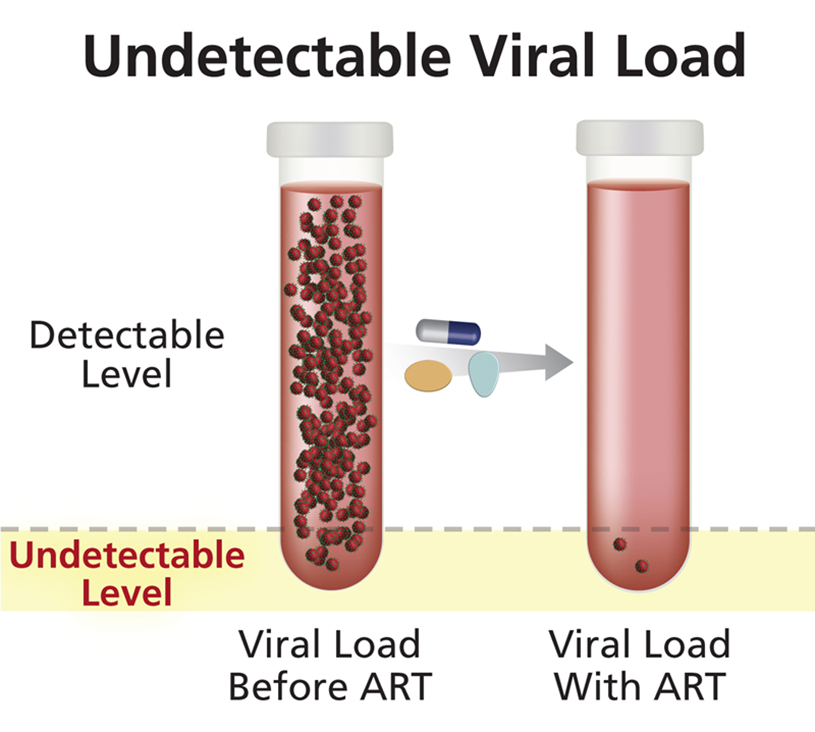
When you go for check ups at your Treatment Site, they draw blood to test the number of HIV cells still in the body. The doctor’s goal is for the viral load to be undetectable, meaning that there are fewer than 50 copies of the virus per milliliter (ml) of your blood sample. The exact number for undetectable can vary depending on the national guidelines, and your healthcare provider will keep you informed.
The graphic below helps to show what undetectable viral load means. Before ART, you can see many copies of HIV in the sample of blood. After some time taking ART as prescribed, the virus stops reproducing in the body and there are just a few copies of the virus in the sample of blood.
Undetectable is a good thing! It means your viral load is low.
When you adhere to your Antiretroviral Therapy (ART) regimen as recommended by your doctor(s), you can achieve this result.
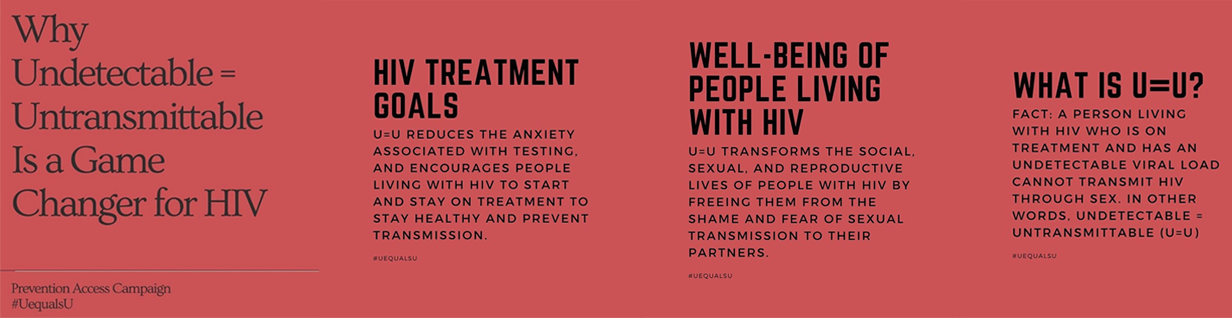
What Is U=U?
The first U in this means Undetectable as we just discussed. The second U means Untransmittable.
Undetectable means that you can no longer transmit the virus to a sexual partner! A person with HIV who maintains an undetectable viral load can stay healthy and will not transmit HIV to their sex partners. It does not mean that you are cured.
Remember: U = U means Undetectable = Untransmittable
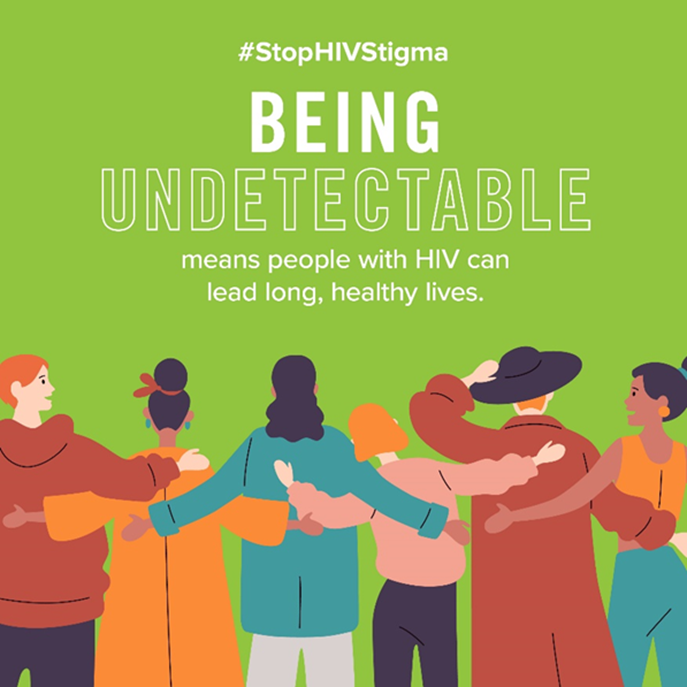
This difficult journey just got a bit easier, but it is not over yet. We still need to take care of our bodies and remain healthy. In doing so,we will be able to live long and healthy lives.
Why Is This Message Important For PLHIV?
For more information on the global message of U=U see this link below: