Self-Esteem and Living With HIV

Health Literacy and Its Importance To PLHIV

YOUR
SELF-ESTEEM


“Because I have HIV, the sky is the limit”
- Yolanda Simon, Vice Chair of the National AIDS Coordinating Committee and Founder, The Positive Women’s Network of Trinidad and Tobago


SELF-ESTEEM

LIVING WITH HIV

What do you understand by the term “self esteem”? Self esteem refers to the way that you think and feel about yourself. 

If you have healthy self esteem, it means that you value yourself and have positive feelings toward and about yourself. Sometimes, we can have forms of self esteem that may not be in our best interest. They are as follows:

  1. Performance-based esteem - 
    This is self-esteem that depends on things we do.
     
  2. Other-based esteem - 
    This is self-esteem that depends on the opinion of other people.
     
  3. Attribute-based esteem - 
    This is self-esteem that depends on things that I have.
a1

LEARN THE FACTS About YOUR SELF-ESTEEM

Healthy Self-Esteem

It means valuing ourselves because we are human. It does not matter what we have, what we do or what others think. We believe in ourselves, no matter what. This can be a difficult process. Here are some tips for developing healthy self-esteem.

  • Forgive yourself daily. You are human and you are allowed to make mistakes. A critical part of being human is being able to make mistakes. We all make mistakes.

  • Speak to yourself positively daily. Tell yourself positive things about yourself every day. For example, you can say to yourself: “I am worthy of love because I am human” of “I am worthy of love because I exist.”

  • Do things that you enjoy. When you fill your body with good feelings while doing things that you enjoy, you can feel a deep sense of purpose and joy.

As a PLHIV, it is very important to maintain healthy self esteem. If you do not do so, you are at risk for making decisions that may not be in your best interest. For example, when you struggle with a sense of worth, you may not work hard at preserving your health and wellbeing. You may not exercise or eat well if you struggle with self esteem. Low self-worth or depression can also negatively affect your adherence to your ART regimen. You have rights and you deserve to feel worthy in the world.

If you are struggling with self esteem, please feel free to reach out to one of the NGOs or the social worker at a treatment site in order to gain support. If you think you may be depressed, having thoughts of self-harm, or have another serious mental health concern you can get immediate support from Lifeline Trinidad and Tobago. You can call the following numbers: 800-5588 | 866-5433 | 220-3636

You can take a look at the website at https://findcarett.com/lifeline/

To get referrals for more mental health concerns or to speak with someone on the National HIV Helpline call 800-4HIV or 800-4448. (This is a toll-free number)

You are not alone. #youarenotalonett

Health Literacy and Its Importance To PLHIV

Health Literacy and Its Importance To PLHIV

PLHIV HEALTH
LITERACY


We examined health and its contributors in another section. Now that you understand what these mean, it is important that we delve into the meaning of health literacy.


LEARN THE FACTS ABOUT PLHIV HEALTH

What Is Health Literacy?

Health Literacy refers to the ability to get, and understand health information so that you can make health decisions that are in your best interest. It means that you can:

  • Follow instructions on how to take your medication

  • Ask questions during your doctor’s visits

  • Understand nutrition labels

Why Is Health Literacy Important To PLHIV?

When there is a gap between what you know and what you need to know, it can lead to:

Health literacy is the foundation of success for every doctor-patient interaction, every prescription, every diagnosis and every treatment.

It is important that, as patients, you are able to understand what is going on with your treatment, what your diagnosis means, and what you are putting into your body, so that you can preserve your well-being and take care of yourself.

  • Worsening health conditions

  • Poor self care

  • More doctor or hospital visits and stays

  • Higher medical costs

Accessing Psychosocial Support

Accessing Psychosocial Support

ACCESSING
PSYCHOSOCIAL SUPPORT


Mental health challenges can negatively affect our quality of life, and it is so important that we know this. If we are struggling with these, it is important to seek psychosocial support. Firstly, let’s explore the meaning of the word “psychosocial”.

LEARN THE FACTS About MENTAL HEALTH

What Does Psychosocial Mean?

The word “psychosocial” refers to the interactions of the mind and soul of a person with their environment and external relationships.

What Is Psychosocial Support?

Psychosocial support refers to services which include, but are not limited to, counselling, adherence support, assistance with attending clinic appointments and other social welfare services.

Why Is This Important To PLHIV?

These types of support help people living with HIV to adhere to treatment, engage in healthy behaviours, preserve and create healthy relationships and regularly attend treatment sites.

How Can I Access This Type Of Support?

You can begin by engaging with your Dream Team at the Treatment site. The social worker there can be very helpful in supporting you through different forms of psychosocial distress. If you wish, you can also access private care. Some NGOs also have social workers who provide support as well.

If you are struggling with inner pain or distress, as well as unhealthy coping behaviours such as substance abuse and dependence, please feel free to reach out.

If you think you may be depressed, and are having thoughts of self-harm, or suicide, please call Lifeline. Their contact numbers are 800-5588 | 866-5433 | 220-3636

You can learn more about their 24/7 services on their website: https://findcarett.com/lifeline

Depression, Anxiety and Other Mental Health Challenges

Depression, Anxiety and Other Mental Health Challenges

DEPRESSION, 
ANXIETY & MORE


Living with HIV can sometimes be emotionally challenging, and it is important to know that if you begin to experience any mental health challenges that you are certainly not alone. It is not uncommon to experience symptoms of anxiety, depression or other challenges. Please note that some of these challenges may be side effects of your Antiretroviral medication. In those cases, it is wise to speak to your doctor for guidance. This, however, only happens to a small number of people, and typically goes away within a few weeks of treatment.

Here are some physical and emotional symptoms of both depression and anxiety that you may wish to look out for.

LEARN THE FACTS About MENTAL HEALTH

Depression

  • Changes in sleep patterns (sleeping too much or too little)

  • Restlessness

  • Exhaustion

  • Difficulty concentrating

  • Changes in appetite

  • Loss of interest in socializing

  • Loss of interest in activities that were previously enjoyed

  • Persistent sadness

  • Suicidal thoughts

  • Thoughts about self-harm

  • Withdrawal from friends

  • Feelings of loneliness

  • Feelings of irritability

Anxiety

  • Feelings of exhaustion

  • Becoming easily tired

  • Difficulty concentrating

  • Feeling restless and on-edge

  • Feelings of irritability

  • Having unexplained aches in the body

  • Excessive worrying and a difficulty to stop anxious thoughts.

  • Difficulty sleeping

As you may see above, there are some similarities between anxiety and depression. The more important difference is that depression is usually accompanied by sadness and a loss of interest in engaging with others, while anxiety is not.

It is often common for people to try to numb these feelings via the following behaviours:

  • Overeating

  • Watching lots of television

  • Substance abuse and dependency

  • Sex

If you would like to develop healthy coping mechanisms, please feel free to open up to the social worker who is assigned to your Treatment site. You can also try some of the R.E.C.E.S.S strategies.

If you think you may be depressed, and are having thoughts of self-harm, or suicide, please call Lifeline. Their contact numbers are 800-5588 | 866-5433 | 220-3636

You can learn more about their 24/7 services on their website: https://findcarett.com/lifeline

Additionally, to receive additional referrals to address any other mental health concerns or to speak with someone on the National HIV Helpline, please call 800-4HIV or 800-4448. (This is a toll-free number)

You are not alone. #youarenotalonett

Other Mental Health Challenges

As you may have seen previously, there are some similarities between anxiety and depression. The more important difference is that depression is usually accompanied by sadness and a loss of interest in engaging with others, while anxiety is not.

It is often common for people to try to numb these feelings via the following behaviours:

  • Overeating

  • Watching lots of television

  • Substance abuse and dependency

  • Sex

If you would like to develop healthy coping mechanisms, please feel free to open up to the social worker who is assigned to your Treatment site. You can also try some of the R.E.C.E.S.S strategies.

If you think you may be depressed, and are having thoughts of self-harm, or suicide, please call Lifeline. Their contact numbers are 800-5588 | 866-5433 | 220-3636

You can learn more about their 24/7 services on their website: https://findcarett.com/lifeline

Additionally, to receive additional referrals to address any other mental health concerns or to speak with someone on the National HIV Helpline, please call 800-4HIV or 800-4448. (This is a toll-free number)

You are not alone. #youarenotalonett

What Is Mental Health?

a1

MENTAL
HEALTH


Mental Health is sometimes ignored, but it is so important. What does mental health mean?

According to the Centers for Disease Control and Prevention, mental health refers to “our emotional, psychological, and social well-being. It affects how we think, feel, and act. It also helps determine how we handle stress, relate to others, and make healthy choices.”

In order to preserve our mental health, we need to ensure that we take a R.E.C.E.S.S. What does this mean?

Taking a R.E.C.E.S.S is important! Your mental health is just as important as your physical health. According to the Pan American Health Organization (PAHO) and World Health Organization, PLHIV have various mental health needs. However, if these needs are not met, it can impact medication and treatment adherence. This is because mental health challenges such as depression and anxiety result in forgetfulness and low motivation. It is therefore critical that we pay close attention to mental health and seek the support of our Dream Team.

LEARN THE FACTS About MENTAL HEALTH

R - Relaxation

Can you think of things that soothe you? What do you enjoy doing? Being able to relax and taking time out from strenuous activities can enhance your mental health. Blood flow increases when we relax. Therefore, we are able to have a clearer mind, think positively, make decisions and concentrate.

E - Eating Well

Do you eat well? If you eat well, then you will feel well in your physical body and mind. A nutritious diet can improve your mental wellbeing, and less nutritious food such as sweets, fast foods and processed foods can actually harm your mental wellbeing.

To improve your mental health, it is best to eat lots of vegetables and fruits. These foods are “brain protective.” Additionally, lean proteins such as chicken, nuts, eggs, fish, seeds and soybeans help your brain to think and respond efficiently to stimuli.

Use alcohol and drugs in moderation.

C - Connecting With Loved Ones And Supportive People

In our discussion about your Dream Team, we discussed the role of building a support network. You need to ensure that the persons you surround yourself with can provide you with compassion and are not judgmental. When we have supportive and loving relationships, our brains are healthier. This is because chemicals such as dopamine, serotonin and oxytocin are released in the brain when we experience healthy bonds. Interacting with other people in meaningful ways can also reduce the impact of stress on the brain. Building relationships can be a challenge so let’s think of the two types of connections that you need. They are:

  • Intimate connections: These are connections with people who care for you and love you. They may include friends and family.

  • Relational connections: These are connections with people that you see often. You may share an interest with these people and they may work with you.

E - Exercising Regularly

Did you know that when you exercise, you experience a surge of dopamine and serotonin? These are two chemicals that are produced in your brain and they can improve your mood and energy levels. Persons who exercise generally are less likely to experience depression or anxiety. Exercise can also help to discharge stress in the body.

S - Sleeping

As you would recall in our section on physical health, sleep is very important. You require a minimum of seven hours of sleep. During sleep,your brain processes emotional information, and inadequate sleep is harmful to the processing of positive emotional content in your brain. As a result, your mood can be severely affected. Persons who do not receive adequate sleep are at risk for experiencing depression and anxiety.

S - Self-compassion

Self-compassion means taking care of yourself and soothing yourself when you believe that you are hurt, stressed or sad. Self-compassion looks different to different people. For some people, it involves saying comforting words to themselves, while to others, it may mean doing something that they enjoy doing which helps to soothe the painful feelings, such as going for a walk or playing music they enjoy.

What Is Physical Health?

What Is Physical Health?

PHYSICAL
HEALTH


In order to preserve physical health, you need to exercise regularly, eat a balanced diet, get adequate sleep, take your medication and vitamins, and consistently visit a doctor or medical professional. Let’s take a look at each of these components.

LEARN THE FACTS About PHYSICAL HEALTH

Exercising Regularly

It is important that you participate in at least 150 minutes of moderately intense physical activity each week, according to the World Health Organization. You can do so in several ways. Walking, swimming and bike riding are just a few examples. You can also join a gym and do various exercise classes. There are many ways to ensure that you get adequate exercise.

Exercise is very important for PLHIV. According to the World Health Organization, exercise has been associated with improvements in the effects of antiretroviral therapy (ART).

Eating A Balanced Diet

You may be wondering: “What does a balanced diet consist of ?” A balanced diet consists of seven essential factors:

An intake of these in adequate portions will do well for your sense of wellbeing. You will feel energized, alert and fully present. In addition, PLHIVs who eat well have a higher tolerance for Antiretroviral Therapy and generally feel better.

  • Proteins

  • Carbohydrates

  • Fat

  • Fiber

  • Vitamins

  • Minerals

  • Water

Sleep

Many of us underestimate the importance of sleep. Experts recommend that people get seven or more hours of sleep per night. Developing a healthy sleep habit (also known as sleep hygiene) can be helpful for getting adequate sleep. What does this mean? According to the Centers for Disease Control and Prevention, you need to do the following in order to practice good sleep hygiene:

Sleeping too much can also be a sign of depression. You can learn more about this in the section on Mental Health.

  • Go to bed around the same time every night.

  • Ensure that your room is quiet, relaxing and dark.

  • Remove, turn off, or take off all electronic devices (phone, television, laptops) and

  • Avoid large meals, alcohol and caffeine late at night.

It is important to note here that many PLHIV experience problems with sleeping. Some research indicates that up to seventy percent (70%) of PLHIV have this challenge. This has been connected to challenges such as worry, anxiety, illness or treatment side effects. As such, it is very important that you practice healthy sleep hygiene as mentioned above and take care of your mental health. If you are concerned that your medications are disrupting your sleep, contact your doctor.


Visiting Your Doctor

As mentioned before, your doctor is a critical part of your Dream Team. You can locate a doctor either at your Treatment Site or privately. While it is very important to seek the support of your family and friends, please ensure that you visit your doctor and rely on her/him/them for medical advice.

Medication And Vitamins

As you know, PLHIV are required to take their Antiretroviral (ART) medication daily. This is extremely important. It is also important to take your vitamins. However, before taking any vitamins, please discuss them with your doctor.

Overview - A Healthy U

Overview-A-Healthy-U

A HEALTHY U
& MORE


According to the World Health Organization, health is a state of physical, emotional and social wellbeing. When healthy, our body can perform most of its functions, we experience a sense of peace, and we have supportive relationships. In this section, we will look at the components of health and health literacy as well as their connection to you.

HIV RELATED STIGMA AND DISCRIMINATION

HIV RELATED STIGMA AND
DISCRIMINATION


You may have heard the terms “stigma” and “discrimination” before and it is important to be aware of these as they may affect how you care for yourself.
 

VIDEO

REFLECTIONS ON LIVING WITH HIV

Hear stories from people living with HIV reflecting on their experiences of stigma and how they have overcome it.


s

LEARN THE FACTS ABOUT Stigmatization

What Is Stigma?

Stigma refers to a set of unfair and negative assumptions or beliefs about a particular group of people. These beliefs are usually unfounded. In other words, they are often not true.

What Is HIV-related Stigma?

HIV-related Stigma refers to inaccurate and unfair judgment about PLHIV. Stigma can lead to discrimination. What are some of the unfair assumptions made about PLHIV?

  • PLHIV are sinful.

  • PLHIV are sexually promiscuous.

  • PLHIV can transmit HIV via holding hands with others.

What Is Discrimination?

Because of stigma, discrimination can result. Discrimination refers to unfair treatment of a person who has been stigmatised. Discrimination is extremely harmful and painful to persons who receive such treatment. Persons can sometimes be denied specific rights and freedoms as a result of discrimination.

What Types Of Discrimination Can PLHIV Experience?

In some cases, PLHIV may be:

  • Denied casual contact from friends, family members and community members

  • Referred to “positives” and “HIVers”

How Can Stigma And Discrimination Affect Treatment And Care For PLHIV?

Stigma and discrimination can affect one’s mental health and lead to conditions such as depression and anxiety. Furthermore, these mental health conditions can result in non-adherence to treatment and care.

How Can PLHIV Cope With Stigma And Discrimination?

It is important to find healthy ways to address the effects of stigma and discrimination. Firstly, a healthy support network is important. These are people that you can share distress with. Additionally, you can speak to your social worker at your treatment site.

You may want to step a bit further and work with organizations that work to address stigma and discrimination. Many of these are NGOs that have served the community for many years.

It is also helpful for us to hear stories from others who have overcome stigma and discrimination.

SHARING MY HIV STATUS

SHARING MY HIV
STATUS


“I live in a (mental) space where HIV is normal. It’s normal. And I am also an advocate for disclosure. Not in a Carnival band with a placard,but in certain spaces that you need to disclose.”
- Yolanda Simon, Vice Chair, National AIDS Co-ordinating Committee and Founder, The Positive Women’s Network of Trinidad and Tobago

DISCLOSURE

SHARING MY HIV STATUS

Diagnosis is life altering, and now more than ever you need support. However, figuring out who to tell and how to tell them can be difficult. We hope that some of these points help you in telling people about your HIV status.

s

LEARN THE FACTS ABOUT Disclosure

What Is Disclosure?

Disclosure means telling someone that you are living with HIV. Sharing your HIV status can help with the stresses of living with HIV.

There is no ‘best way’ to tell someone that you have HIV, and different people may react to the news in a range of ways. Some may feel overwhelmed and need time to adjust, while some may provide immense support immediately. When you are preparing to inform your family, friends and sexual partners, ask yourself these questions:

  • Whom do I want to tell and why do I want them to know?

  • How much am I ready to share? How much are they ready to hear?

  • How will disclosing my HIV status affect me and how will it affect the people I tell?

When you answer these questions, you can then decide where to share this information. The conversation should take place in a location where you are both comfortable and safe, whether that is your home, a friend’s house, or even your doctor’s office.Your comfort should be priority.

Who Do I NEED To Tell?

It is very important to share your status with your sexual partner(s) and any persons with whom you may be sharing injection needles. While we know that this may be scary, to stop the virus, we must protect those around us by letting them know if they should get tested.

If you feel that you may not be safe to tell your partner(s), you can take them to your health care provider to have additional support when you share this information.

To get more information on where to get your partner tested for HIV, speak with someone on the National HIV Helpline call 800-4HIV or 800-4448. (This is a toll-free number.)

You are not alone. #youarenotalonett

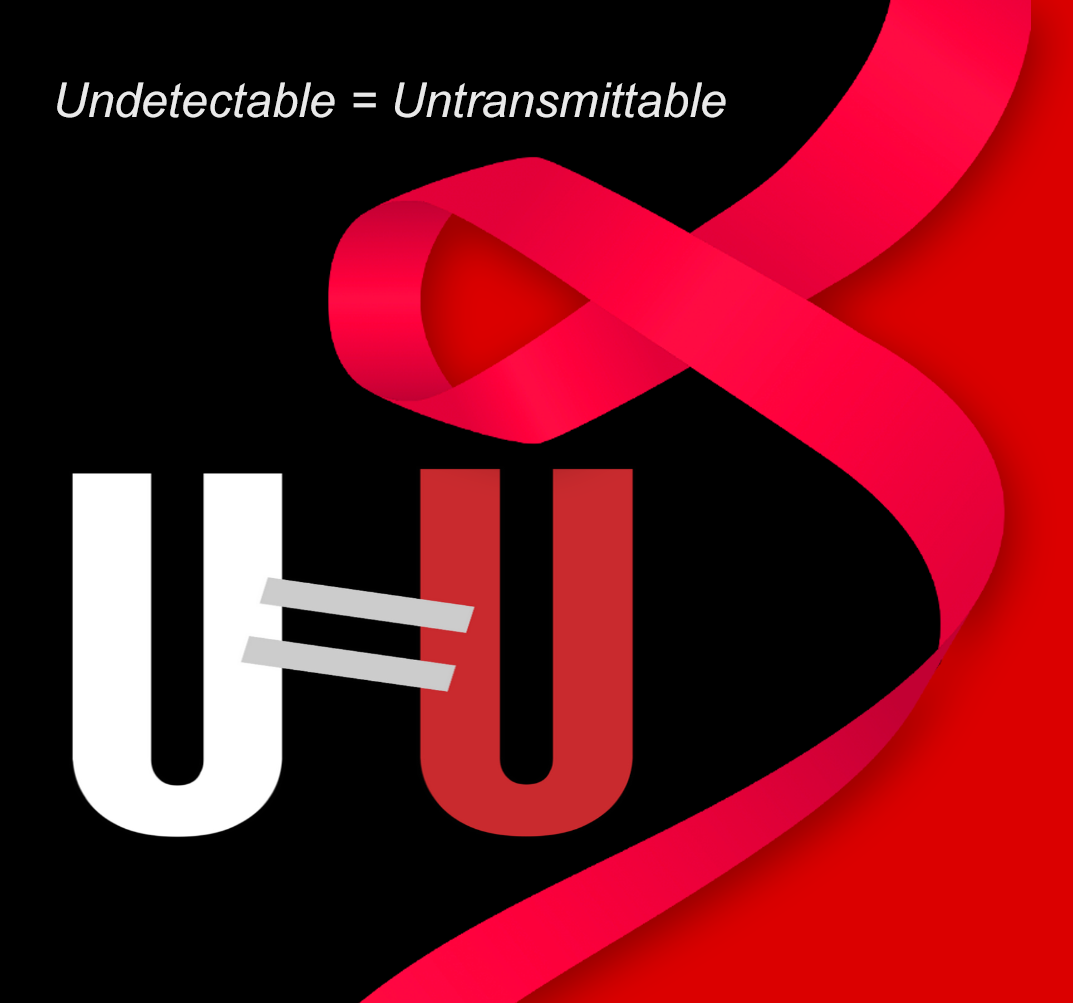
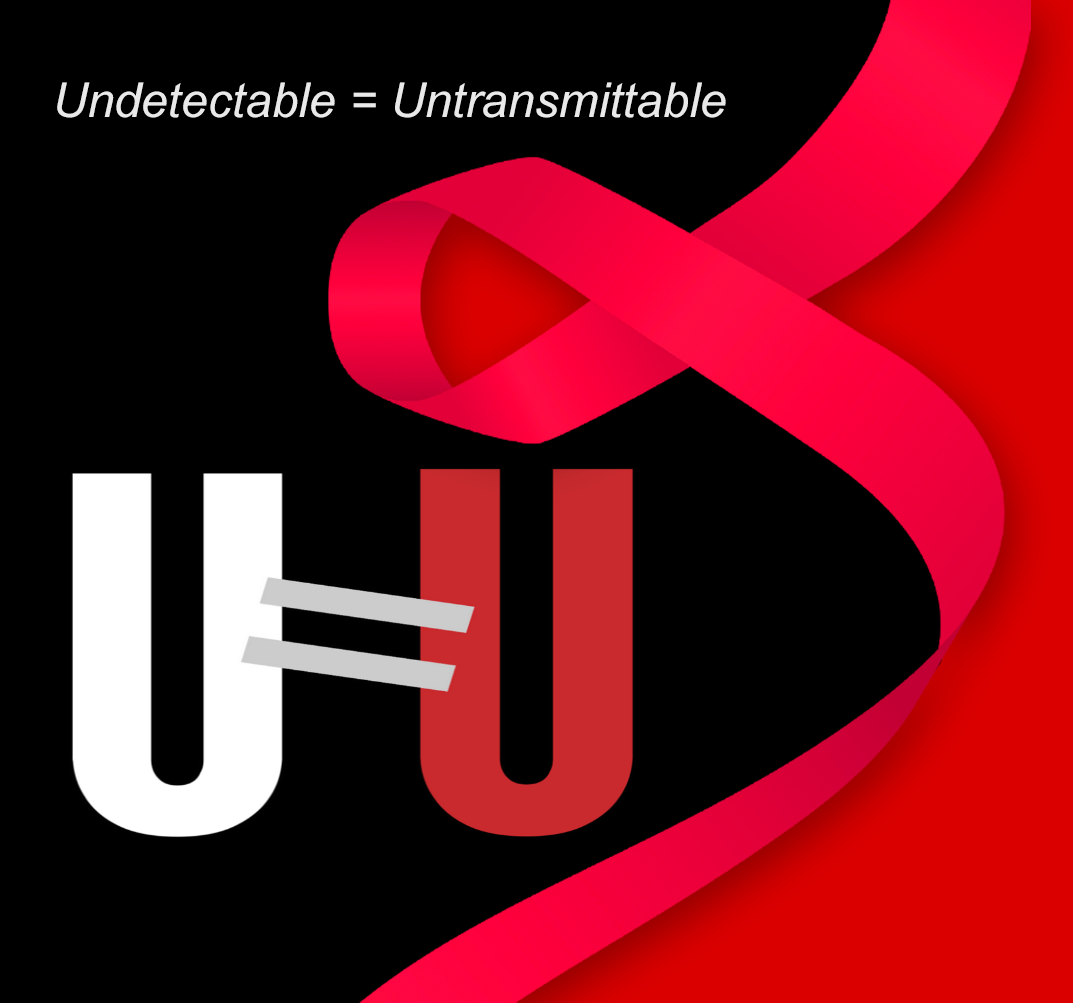
Remember that you can still enjoy a healthy and beautiful sex life once you use protection and take your medication as advised by your medical team. Taking your medication as prescribed helps you to attain your U=U status.

It is also important to share your status with your regular doctor so that you can receive the best possible health care. It can be intimidating to share your status,, but doctors especially need to be informed about your medications to be sure that you will not experience any bad reactions from medications used together incorrectly.

Who Does Not Need To Know?

The chart below provides you with a brief snapshot of some members of your treatment team.

Although it is important for some key persons in your life to know, your employer is not one of them. It is important to remember that other than sexual partners, people with whom you share injection equipment and health care providers, no one is obligated to know your HIV status until you are ready to share with them. If you decide to inform your employer, please know it is against the law of Trinidad and Tobago for an employer to discriminate against you based on your HIV status. This is outlined in the Equal Opportunities Act, where HIV is covered under Section 3 which addresses physical conditions.

For children or adolescents who are HIV positive, teachers, classmates, and other school staff do not need to know a child’s HIV status.


Remember S.U.P.P.O.R.T

People often choose to disclose their status to close friends and family members whom they trust. For many, telling those closest to them provides them with both emotional and practical support. Be sure to only share with persons who can give you the type of support that you truly deserve. Be sure to tell persons who can be confidential.

If you would like some more information about disclosure, please take a look at the videos below from Eswick Padmore who is the Founder of Friends for Life and Cyrus Sylvester who is the Vice Chairman of the Patient Advocate Mission. In these videos, you will learn more about how to disclose and what support you can possibly receive from the NGO sector.

A note about Insurance companies Many insurance companies will ask you to disclose your HIV status when applying for certain policies such as Life Insurance and Critical Illness Policies. Some may also ask you to take a HIV test. If you are not provided with a test, they may simply ask you to indicate your status. Sadly, if you indicate that you are negative while being positive, and the insurance company is made aware of this, they may void your policy.But there are options. Some Insurance Companies and Credit Unions offer indemnity plans which mimic life insurance plans.